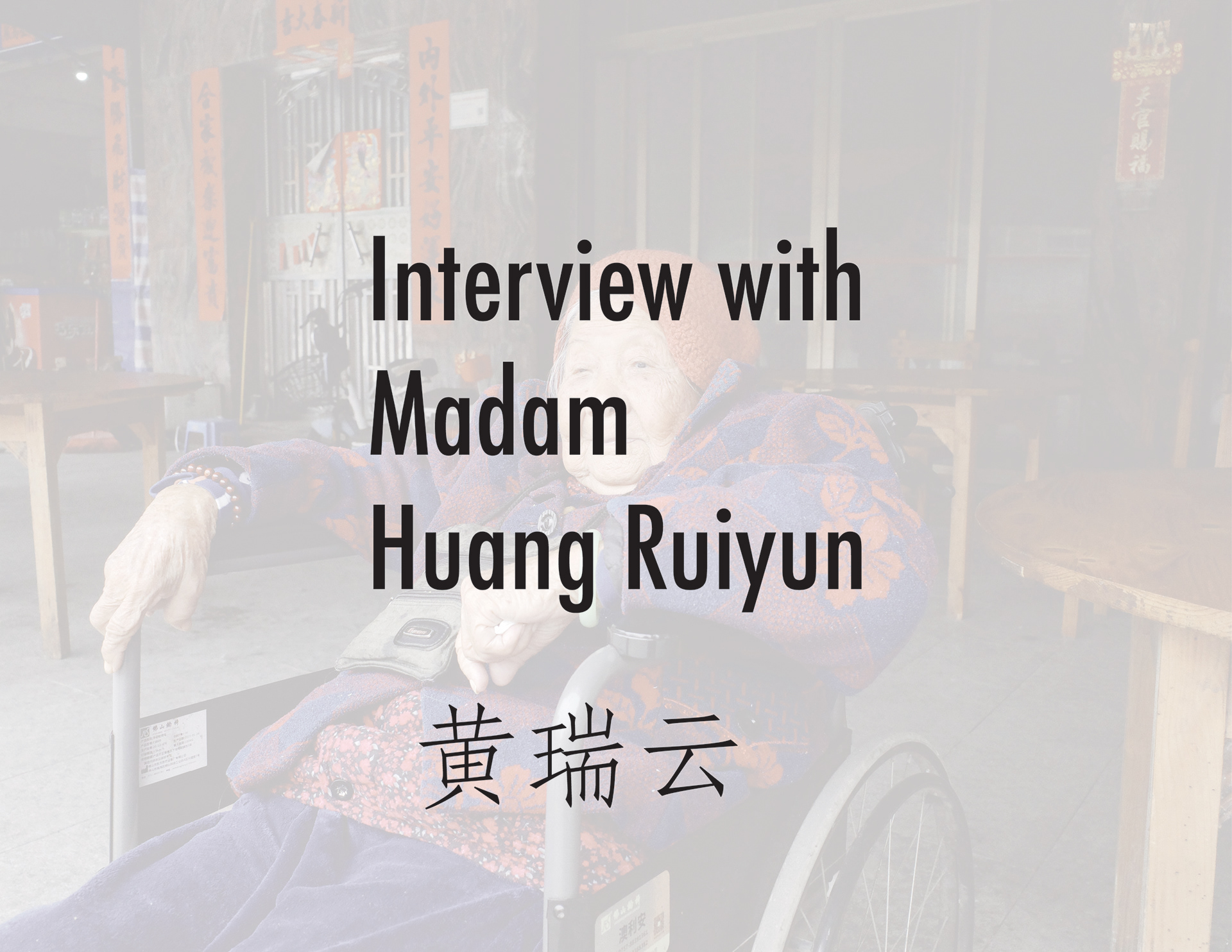
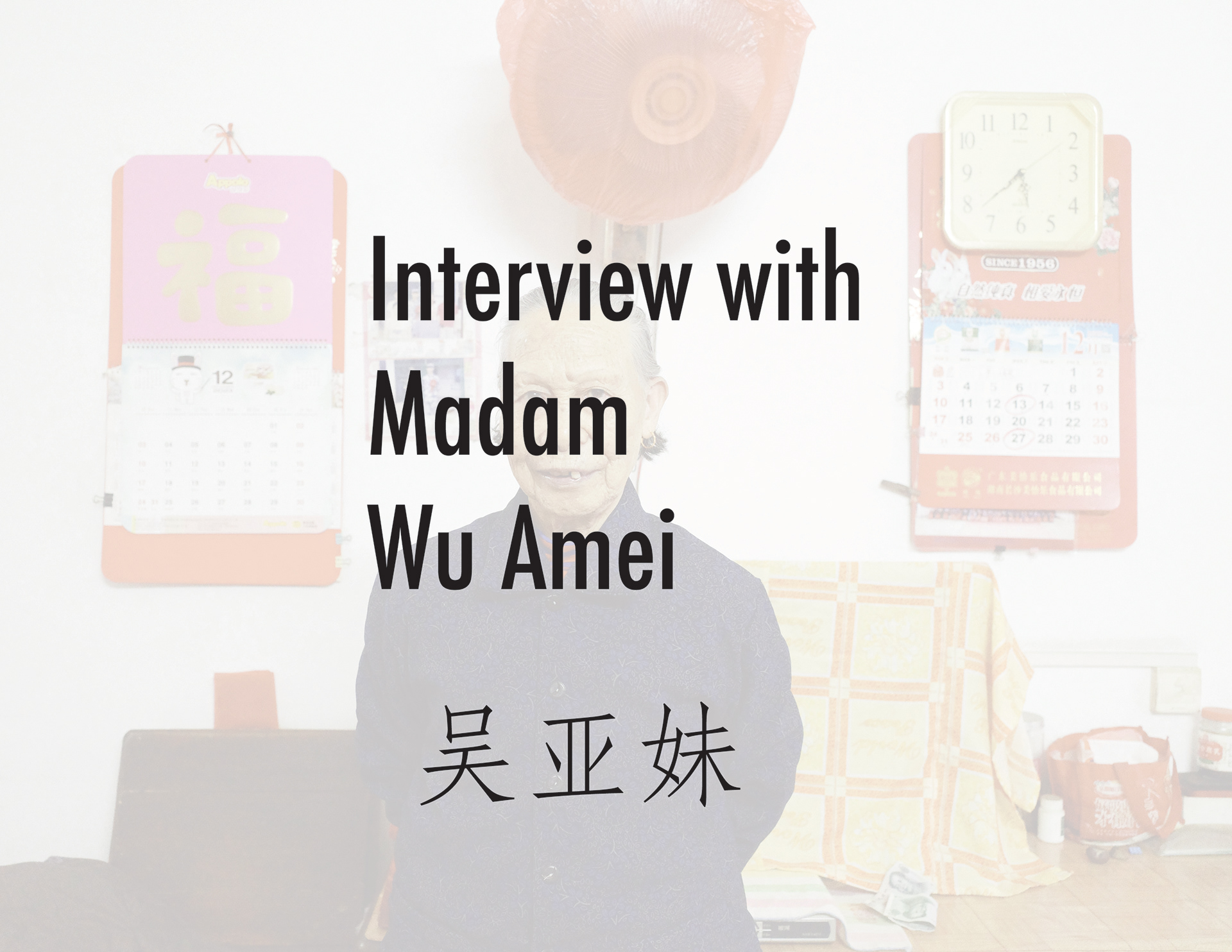
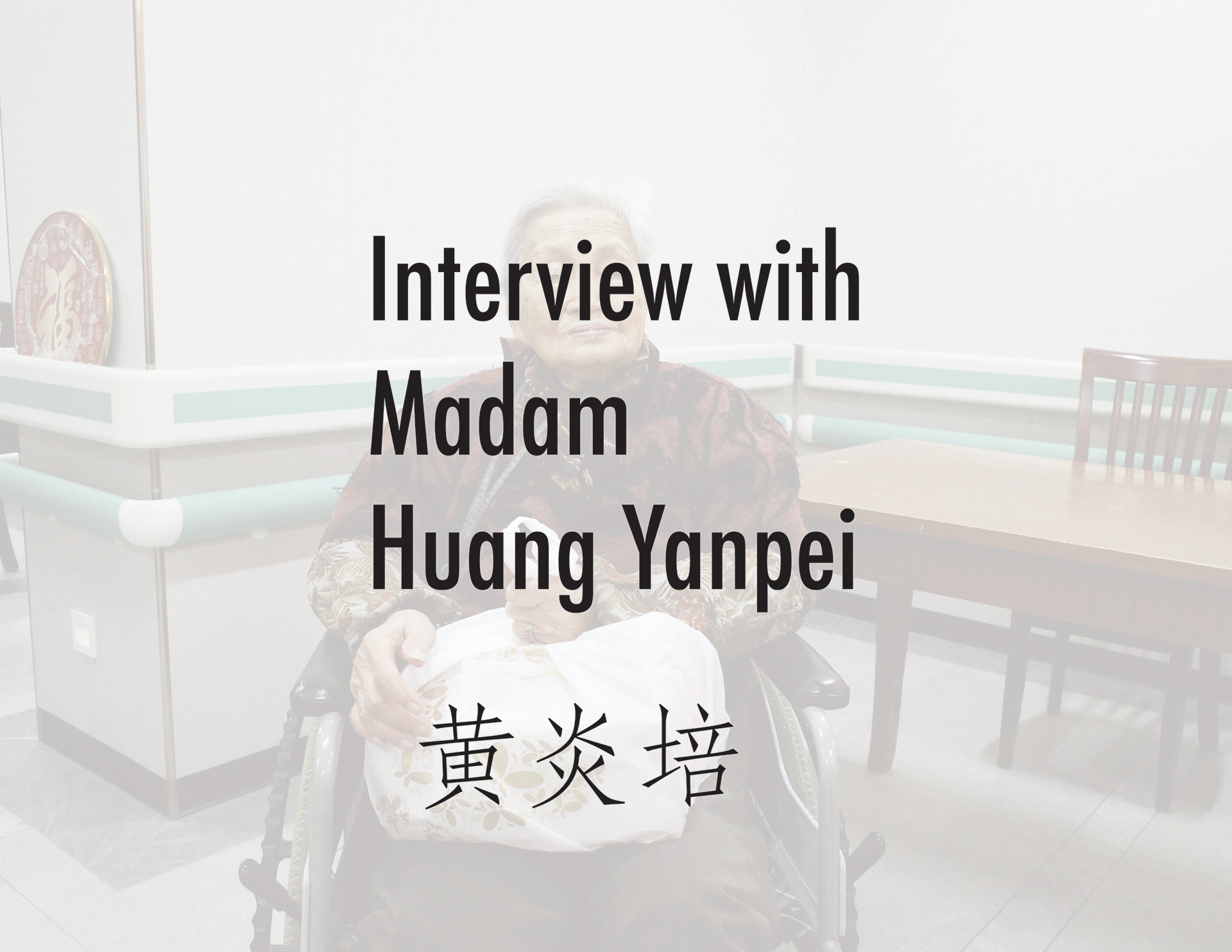
Through the 19th century and even earlier, young girls in the Canton Delta of Southern China wore their hair in long braids — until they were married. The wedding dictated a new hairstyle: during the ceremony, elder female relatives or a personal maid would unweave the braids and restyle them into a bun. The change from braid to bun marked a woman’s social maturity, as well as her transition from girl to wife. But sometimes, the same ritual meant something very different. Women who decided not to marry, ever, also ceremoniously combed their braids into a bun, except they did the combing themselves, and not within the context of a marriage.
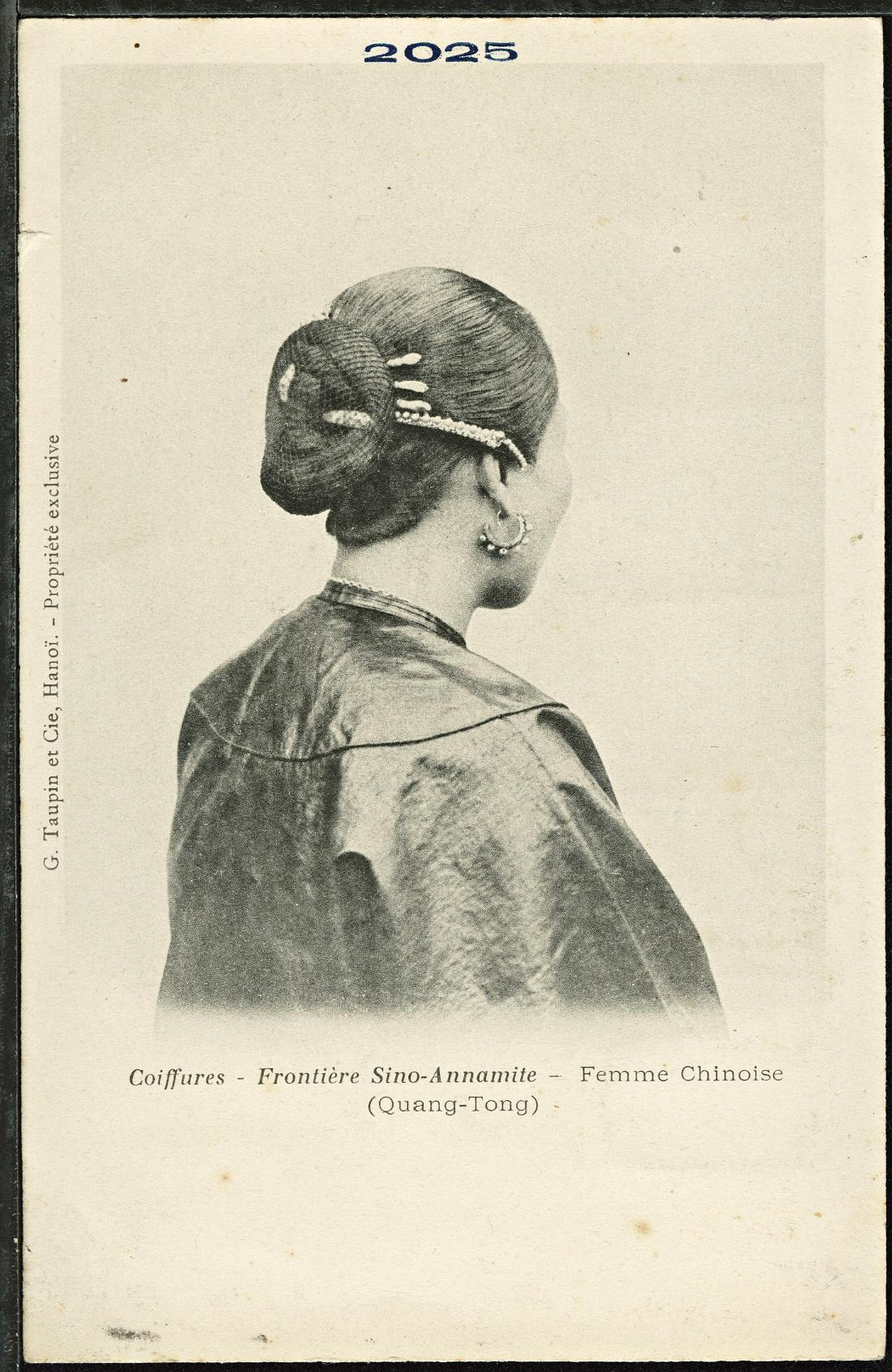
“Coiffures. Frontière sino-annamite. Femme chinoise (Quang-Tong),” 1903. [Courtesy Bibliothèque Marguerite Durand]
“Combing Up” or “Self-Combing” represented the initiation of a Comb Sister: an unmarried, celibate, economically sufficient woman who lived communally with other women. Becoming a Comb Sister was a young woman’s only alternative to arranged marriage, though it was also a potent gesture of defiance, self-determination, and female solidarity. Comb Sisters referred to themselves as a “sisterhood,” a word rarely used in rural Canton, and in this case uniquely apt. Comb Sisters assumed the role of family and community in each other’s lives.
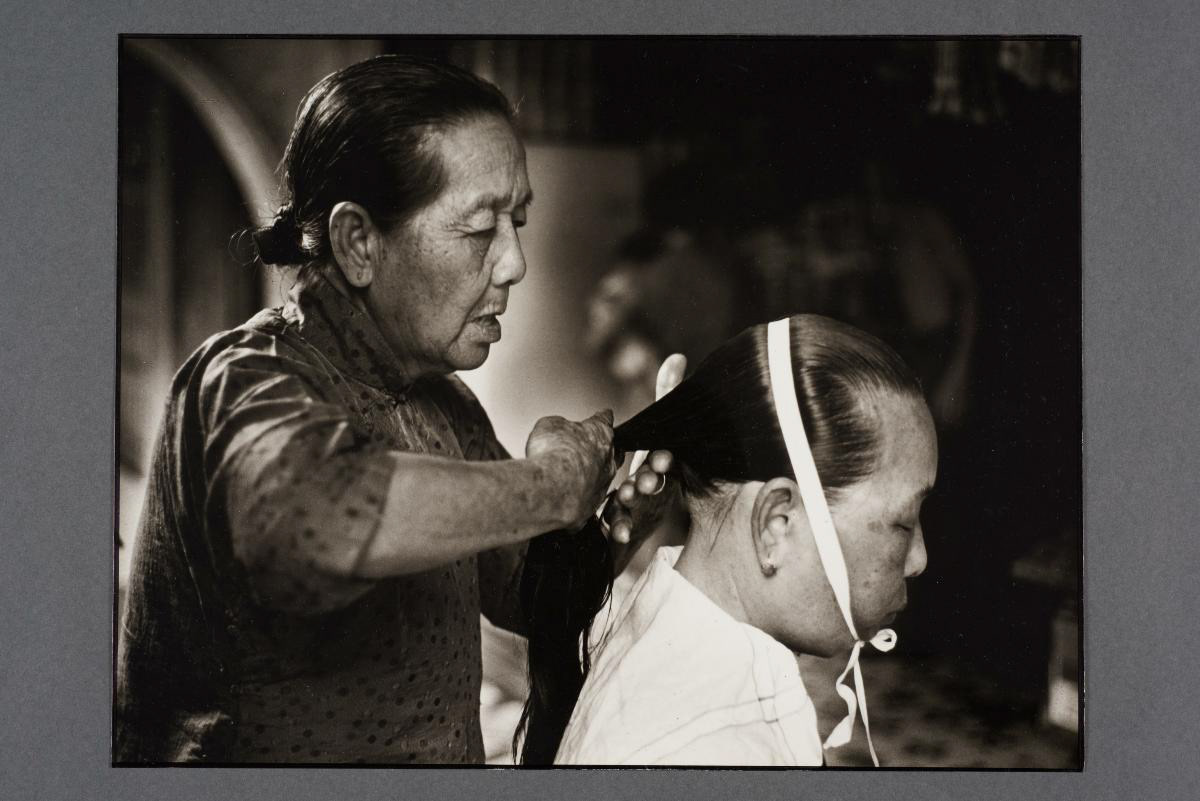
“Hairdresser,” ca. 1960. [Hor Kwok Kin, National Museum of Singapore]